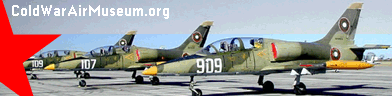
It's always a pleasure for Miles to fly up and join us at these events. His CJ, Bord 69 is a beautiful example of the type. Clicking on the photo will enlarge it to show more details of the plane and the ground displays below it.
  Kevin, our intrepid photographer friend, couldn't pass up the chance to go out with the two Cj's while they did some air work. The reflections from the tinted plex give Jon a "Halo" as they taxi out for takeoff.
  The CJ has classic lines and its "round" engine makes classic noises, just right for air shows. Allthough the CJ's are distinctly different from the Russian Yak-18, they are frequently called Yak's in the airshow circuit because of a similarity of design. The two types, Yaks and CJ's often fly together. The nose wheel, seen in trail below the fuselage does not fully retract by design. The wheel extending slightly below the fuselage will roll, reducing damage if the student forgets to extend the gear on landing.
  Once clear of the airport area, Jon cleared a practice area and the aircraft began some turns so the photgrapher could get some aerial shots.
  The CJ shows its classic lines in all profiles.
  After giving Kevin the opportunity to get some photographs, the planes head back to the field.
 Thanks and picture credits go to Kevin, www.sectorkmedia.com. To aggregate the posts and pictures from this event, click on the 090509 label below. Clicking on other labels will agregate posts for these aircraft or all events.