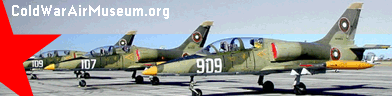
The associate that started all the local jet warbird interest talks about the Aerovodochody L-29 and how the first aircraft came to Lancaster before the Cold War Air Museum was formed.
Thank's Roma!
A number of L-29's are based at the airport and associated with the museum. For more stories, click on the "L-29" label below. Come see an L-29 "in real life" at the Lancaster Airport near Dallas. The museum is open every Saturday.
Our sister museum on the airport is the DFW wing of the Commemorative Air Force (CAF).
The CAF has historically focused on aircraft of the WWII era. With a hangar full of aircraft on display, the DFW wing is a local attraction and our museums compliment each other in many ways.
Monthly meetings help keep the membership up to date and involved. The DFW unit has been successful at attracting new members and maintaining multiple flying aircraft, even in the present difficult economic times. A number of "CWAM" officers and directors are also active in the CAF and attended their meeting today.
The fun the group has together and the respect they have for each other was evident in the recognition, certificates and awards given out for the 2009 operating year. This handcrafted award is unique. Shirley, the recipient, is one of the many hard working examples of why this group is a success. By the way, we also like to attend their functions because they have food!
Among their many fund raising demands was this new propeller for their recently acquired Stearman. As announced at the meeting, "come see it", most aviation enthusiasts have never seen a NEW propeller for such a vintage aircraft.
The CAF R4D, a military version of the venerable DC3, is very popular at airshows. But keeping these aircraft flying is a constant job and requires constant fund raising. If you are a member of the DFW wing, bear in mind that these fine aircraft and this fine unit deserves your support.
If you are not a member, please consider visiting the CAF and the Cold War Air Museum at the Lancaster Airport. HAVE A FUN DAY with the kids (young or old) and help us continue to display and fly our aircraft, so our children (our future) can see, touch and experience a part of history.
As we have previously done with the Mi-2 currently flying at the Cold War Air Museum, we are having to replace a portion of the belly skin that was damaged by corrosion on helicopter number 212.
Work is progressing at a good pace. The bottom skin has been removed and the interior of the fuel compartment will be cleaned and treated before it is closed up again.
The old damaged skin will be placed on top of a new sheet of aircraft aluminum so that all dimensions and holes can be carefully traced out.
After all the dimensions are transferred, Charles turns the new sheet into a perfect match for the old.
As work progresses, we will continue to bring you update reports.
Over the years of the Cold War, the start of a new year was often set by treaty as a time for change among the nations of the world. At the Cold War Air Museum blog, we occasionally shift from current events at the museum to the past, so our readers can remember (or learn of) events that helped form our present. In celebration of New Years past, we offer the following "January Firsts":
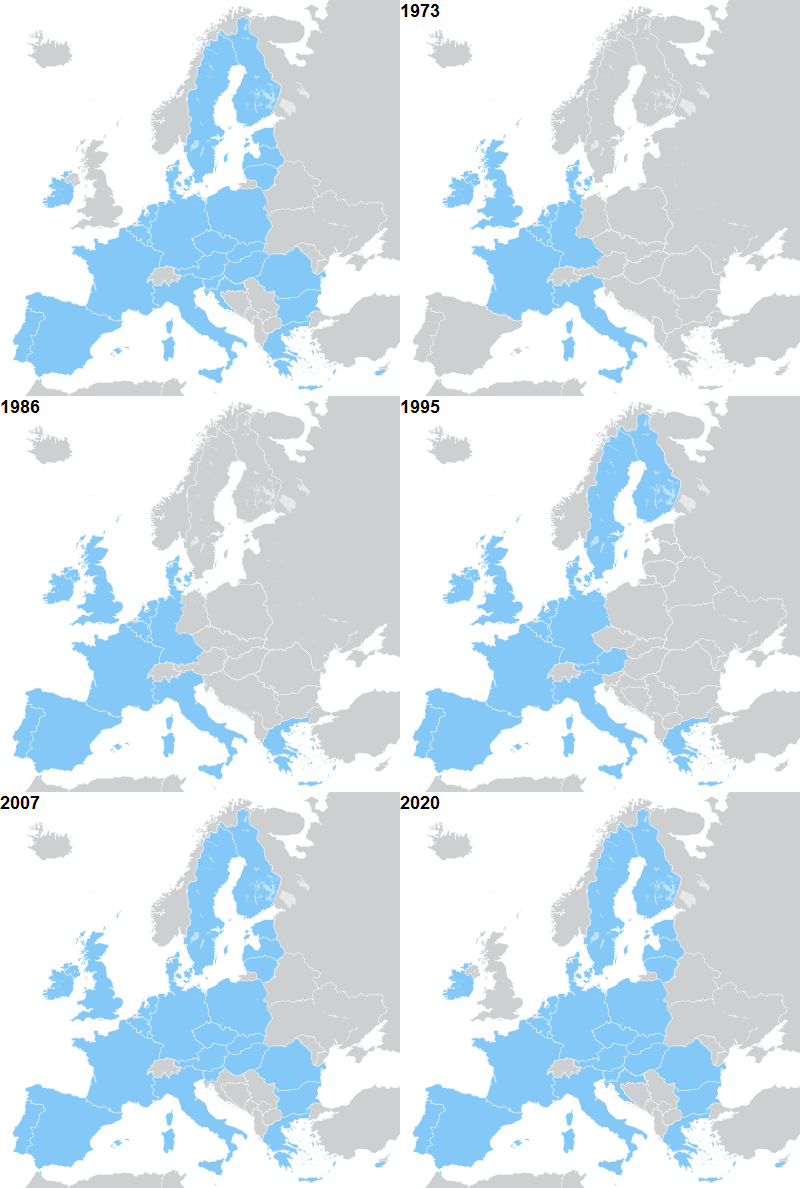
1 January, 1958 - The European Economic Community takes effect
A series of treaties beginning in 1948, led to the formation of the European Union that exists today. One of the pillars leading to the EU was the establishment of a common trading community. At the time, the loss of sovereignty, (especially regarding trade protection) and individual currency controls, was hotly debated.
1 January, 1962 - The U.S. Navy Seals are formed
The establishment and recognition of unconventional warfare units, be they Green Berets, Seals or Spetsnaz reflects a shift away from conventional force structures as nation states first recognized the dead end of Mutual Assured Destruction (MAD) and later realized, or have begun to realize, the high cost of conventional warfare. Force projection evolved through "proxy" conflicts during the cold war and is likely to continue to evolve in the future.
1 January, 1972 - Full Formal Relations between the U.S. and China take effect
The largest remaining Communist Nation in the world, China, borders on many other countries and has beem directly or indirectly involved in conflicts with the U.S., the Soviet Union and other countries over the course of the last 50 years. While normalization of relations between the U.S. and China has not resolved all issues of concern between the countries, it has led to the countries becoming major trading partners, to the economic benefit of both.
1 January, 1983 ARPANET shifts to Internet Protocol
1 January, 1985 Domain Name structure is established
The impact of the communication of ideas and cultures across national boundaries is without parallel in history and the world is still adjusting. News of freedom (or governmental oppression) now flows quickly to every corner of the world.
1 January, 1992 - Russian Federation declares independence from former Soviet Union
A combination of 83 member states, the Russian Federation covers one ninth of the worlds surface, the largest land area of any country in the world. Rich in natural resources and now free from the restraints of its former communist system, this former enemy is re-establishing its wealth and power through energy sales to Europe.
To return to the aviation theme of the blog and in support of the coverage of the re-emergence of the new Russia, a video of the joint performance of two Russian aerobatic teams is linked below.
Credit and thanks is acknowledged to YouTube and Wikipedia for various references and links within this post.
The Cold War Air Museum is a 501(c)3 non-profit organization dedicated to the restoration and maintenance of Cold War era aircraft with a special emphasis on aircraft flown by the former Soviet Union.
Most of the museum's 20+ aircraft are in flying condition or being made ready for flight.
The museum is located on Lancaster Municipal Airport, twenty minutes south of Dallas, Texas. The museum has tour hours of 10am to 4pm on Saturdays but is open all day most weekends. There is a cafe on the field that serves a full breakfast and lunch menu.


 A series of